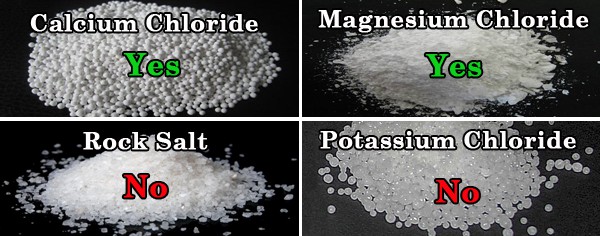
The chemistry of chloride corrosion the chloride ion molecules in the deicer interact with the metal in an electrochemical reaction which accelerates the metal molecule s interaction oxidation with the surrounding oxygen into metal oxide molecules.
Urea ice melt roof.
A fertilizing compound to reduce its impact on the environment including surface and.
Instructions for use will also emphasize that putting deicer on a 10 inch pile of snow simply doesn t work.
Windsor ice melter blend with blue crystals.
Both have environmental drawbacks as rock salt damages both flora and fauna but urea performs poorly when temperatures dip below 21 degrees fahrenheit.
This freezing water accumulates forming a dam which further prevents melting snow from draining off the roof.
Safe t salt is effective in temperatures as low as 15 c.
A sealing agent making it less corrosive on shingles and eavestroughs.
The salt will discolour the shingles and rust the gutters and generally not be good for either the roof or the plants below.
As the old saying goes as an ice melt chemical it s better than nothing but not by much.
Ice melt must be applied on the ground for it to be effective.
Again for the most part you don t want to throw any type of ice melt product on your roof.
Any ice melter containing chlorides will be corrosive to metal.
Urea has a eutectic temperature of 12 2f and a practical working temperature of around 25f.
The root cause of ice damming is heat loss.
Windsor safe t salt eco safe ice melt.
They work effectively in temperatures down to 25 f.
One viewer has recommended using urea fertilizer to melt ice on the roof rather than using salt based de icers.
While safely on the ground toss a roofmelt tablet onto the roof.
Better to replace a.
A ridge of ice is formed at the edge of a roof where water often builds up and causes unwanted damage including torn off gutters loose shingles and leaking water into the home.
First of all if using urea as a melting agent on your roof means you stay off it and protect life and limb then i d say that any damage to your landscape is not a big deal.
While rock salt and urea both have considerable ice melting power the decision to use one over the other is dependent upon your personal circumstances.
Our experience is that urea provides as much traction from not melting as it does provide melting of snow and ice.
Product packaging will also warn against using ice melt on a roof and that rock salt spread on a parking lot will eventually find its way into the water system.
The tablets help prevent roof damage by melting through ice dams and allowing water to drain safely.